
The Tween Years: When Self-Talk Gets Loud
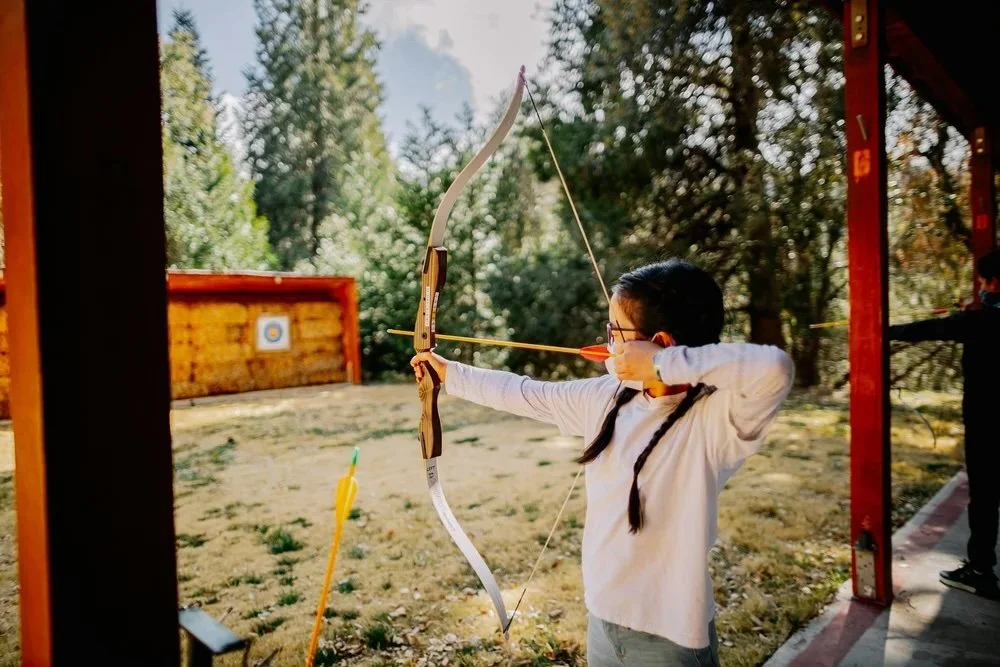
There’s something about the years between 9 and 14 that can feel like emotional whiplash, for them and for us. One minute they’re confident and carefree. The next, they’re studying themselves in the mirror a little longer. Comparing. Measuring. Wondering. Their bodies are changing. Friendships are shifting. Self-doubt sneaks in where certainty used to live.
As parents, we feel it too. We watch them trying to figure out who they are, what they’re good at, and where they belong. And underneath so many conversations during this season are the same quiet questions: Am I capable? Am I strong? Do I have what it takes?
Around this age, their inner dialogue gets louder. And not always kinder.
“I’m just not athletic.”
“I always mess up.”
“She’s better than me.”
“I’m not good at anything.”
We can reassure them at home. We can tell them what we see. But what they really need are lived experiences that gently challenge those beliefs from the inside out. They need places where it’s okay to miss. Where learning is visible. Where growth feels possible. This is where archery becomes more than just a sport.
Archery is special in that it doesn’t reward early physical development, height, speed, or size. It doesn’t favor the loudest or the most aggressive. It’s a beautiful even playing field. Every child steps up to the same line. Every child faces the same target. Success isn’t determined by how your body looks or how fast it moves. In fact, some of the strongest archers I’ve seen were the tiniest kids in the room; the ones who struggled in contact sports. Quiet ones who never quite found their place on a soccer field suddenly stood tall and steady with a bow in their hands. One child who was legally blind did incredibly well.
Archery asks something different.
It asks for focus. For breath. For steadiness. For the willingness to try again.
For kids who may have quietly absorbed the belief that they’re “not athletic,” archery can be a revelation. It allows them to discover strengths that aren’t always celebrated in traditional youth sports. Maybe your child isn’t explosive on a basketball court, but they have incredible body awareness. Maybe they aren’t the fastest runner, but they can concentrate deeply. Maybe they struggle in fast-paced games, but they are calm under pressure.
Archery reveals those strengths in real time. And every single archer will miss. That’s not a flaw in the sport. It’s the point. When an arrow doesn’t land where they hoped, there’s a pause. A moment where self-talk takes over. This is where the real work begins, not just physically, but emotionally. “I’m terrible at this.” Or: “It’s okay. I’m still learning.” Archery becomes a practice in positive self-talk. It gives kids a contained, safe space to work through self-doubt. To adjust. To reset. To try again without a scoreboard flashing their mistake to everyone else. Improvement is personal. Measured against their own last shot. They begin to understand that missing isn’t failure. It’s feedback. And in that repetition: draw, anchor, aim, release, reflect, reset, they build something far more important than accuracy. They build belief.
Confidence doesn’t arrive because we tell our kids they’re capable. It grows because they experience themselves doing hard things.
Because they feel frustration and stay with it. Because they see progress that comes from patience and persistence. Because they learn to speak to themselves with kindness instead of criticism. Archery is deeply body positive in this way. There is no ideal build. No single “athletic” mold. Strength matters, yes; but so does balance. So does breath. So does stillness. It teaches kids to appreciate what their bodies can do rather than how they compare to someone else’s. In a season of life when they are becoming hyperaware of their changing bodies, that shift is powerful.
Between 9 and 14, our children are forming beliefs that will follow them into high school, into adulthood, into relationships and careers. They are deciding whether challenges mean “I can’t” or “I’m learning.” They are discovering whether their strengths count even if they look different from someone else’s. Archery meets them right there.
It gives them a steady place to stand. A clear focus. A tangible reminder that progress comes from practice and that believing in yourself makes great things possible. And sometimes, in the middle of a season that feels uncertain and wobbly, all a child really needs is something steady to aim at.